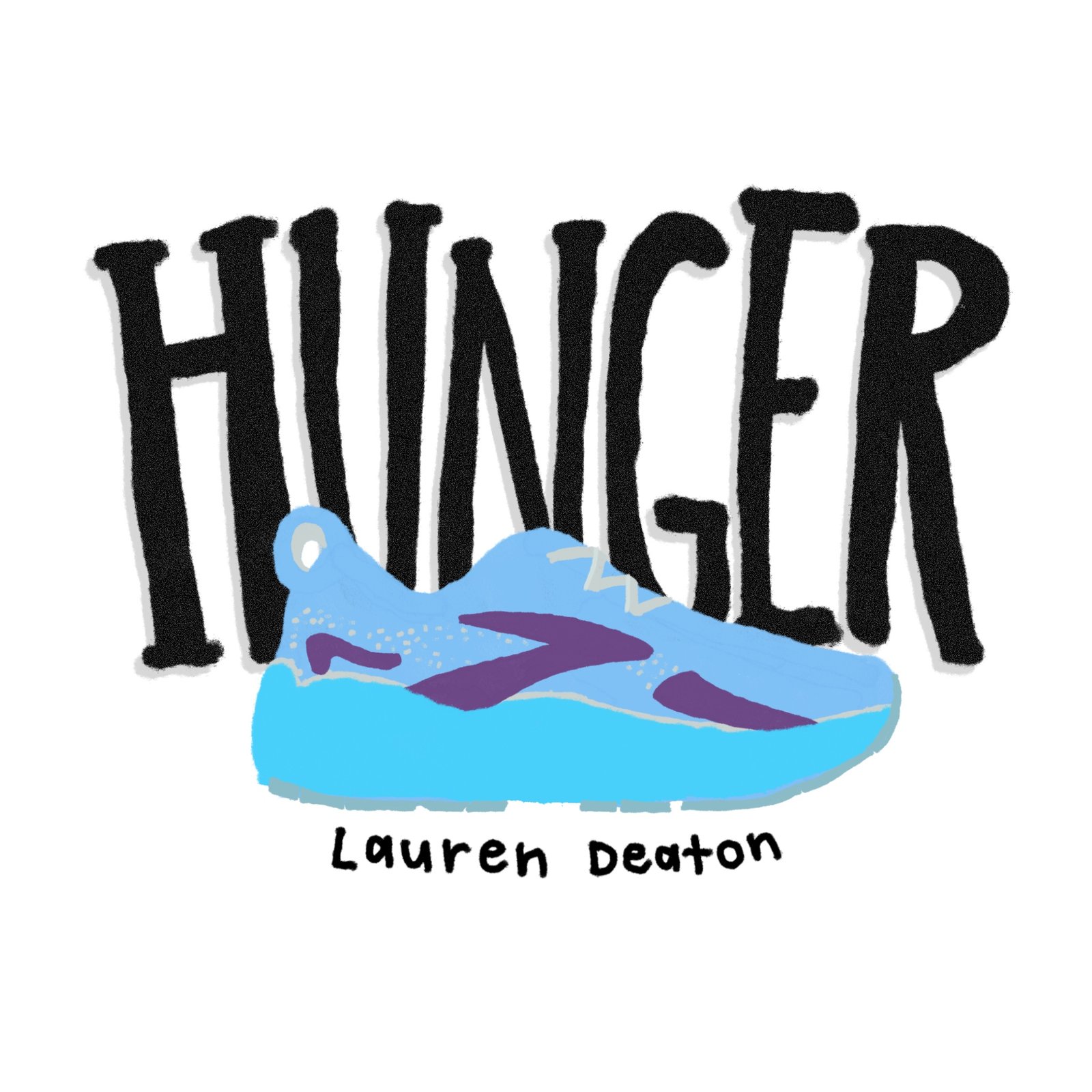
Growing up, I was never the smallest kid. I was born a bulky baby, so I never quite shook it. My childhood spent swimming only served to further widen my shoulders and thicken my thighs. Weekly church potlucks led to plates piled high with sugary treats. The absence of sweets in my house, due to my dad’s diabetes, led to binging at my friend’s houses; gorging myself on food until my fingers were sticky and my stomach was churning. It felt like I just couldn’t get enough, like the food was filling some kind of void inside of me, even as it made me feel sick.
Then, when I was 12, the doctor said, “You need to lose weight soon, you’re obese.” The words were like a gut punch to my stomach, a firm acknowledgement that something was wrong, that I was wrong. It was a firm statement confirming that the way my pants stretched around my waist, and I was forced to yank them to the button, was horrible, disgusting. I remember staring at my clothes in my closet, pinching the fat around my stomach, standing numbly in the shower. At swim meets, I would look down at my stomach, at the way my bathing suit cut into my back and rounded my belly. I would glance across the diving blocks to the others beside me at the starting line, measuring myself up to them.
In middle school, when I started running cross country, the weight dropped off fast; my waist rapidly slimmed down, my pants dropped in size, the talk of obesity ceased. Running also meant that I could eat more, that I was hungrier, because oftentimes I was putting in upwards of 35 miles a week. I found a kind of freedom in it, that I could eat without abandon, without the shadowy weight of a heavier self.
I got faster, I made varsity, I felt celebrated, but the weight didn’t stay off. This time, it came back in a mixture of muscle and fat, and I started to notice something– girls glaring at me at the start lines of races, looking into my face with surprise as I passed them, shocked that a stockier girl, with her spandex tight against her skin, could possibly outrun them. There was a kind of joy in this for me, a revelation in the fact that I could be bigger and still good, still be athletic, that perhaps this was simply the way my body was meant to be. Then there was the pain underneath it. The feeling that I still wasn’t doing something right, that I wasn’t a real runner, that I might have the endurance, and even a bit of the speed, but there was still something wrong, like I had to prove myself more because I looked different.
Now in high school, I was also struggling with intense reactions to food and extreme panic attacks. My stomach constantly ached, I was frequently crippled by cramps so intense that I couldn’t leave my bed, and in my junior year I missed school almost once a week for a doctor’s appointment. I dreaded eating anything, fear creeping over me about what kind of attack my body would launch against the food. The shape of my body constantly fluctuated, moving between intense bloating and feeling utterly drained. My anxiety rose too, often having to excuse myself from class to cry in the bathroom, heaving sighs and feeling bile rise in my throat as I tried to catch my breath. I would break down before races, insisting that I couldn’t do it, spending long bouts of time stuck in the bathroom before races, feeling so utterly sick that I thought I would hurl on the girl next to me.
Eventually, I had to stop running. A combination of chronic illness diagnosis and a continued pattern of injury leading to my breaking point. I felt weak, lost, like the thing that had given me some kind of agency and claim over my body was being pulled out from under me. My relationship with food changed, increasingly limited out of necessity, as my body stimulated allergic reactions to various foods. It was a new kind of gross feeling, one that I felt I couldn’t stop, couldn’t run away from, couldn’t exist without, my body literally rebelling against me.
And it’s something I still carry around years later. Even after discovering which foods specifically cause reactions, even after finding a new exercise routine, a way to eat and exercise and still exist as a human who eats both vegetables and ice cream. Sometimes, when I look in the mirror, I still feel that slippage, a desire to scrape the fat from my body. Sometimes, when I look around at the bar I still feel out of place, the tautness of my shirt, or the roll of my stomach over my jeans making me feel embarrassed. Sometimes, I still feel like that scared little girl, being told she was obese before she even had a chance to form any kind of image of herself.
No Comments.