In middle school, I had a very intense slam poetry phase. I was obsessed with one poet in particular, Olivia Gatwood. I was so convinced that her carefully inflected, earnest meditations on girlhood had been written about my life– never mind that most of them tackled sex and relationships, and I was a late bloomer who didn’t even have a serious crush until junior year of high school. I wrote quotes of hers in my diary, listened to performances about period sex out loud around my Catholic parents, wrote her one very enthusiastic email, and paid ten dollars to attend a live stream she hosted that benefited a mutual aid organization—all during seventh grade. If this makes you think I was a deeply insufferable thirteen-year-old, you’d be correct.
When I got to high school, I traded Button Poetry performances for Lana Del Rey and found ways to repackage how I expressed my love-hate relationship with being a teenage girl. But now that my prefrontal cortex is a touch more developed, I have more respect for both my angsty preteen self, who found an outlet during a turbulent period of life, and for the wisdom permeating Olivia’s poetry. Her poem “Alternate Universe in Which I Am Unfazed By Men Who Do Not Love Me” is one of her most popular and my personal favorite. She imagines a world in which she trades the time she would have spent ruminating about men for life-affirming alternatives.
“but left over from the other universe are hours and hours of waiting for him to kiss me and here, they are just hours. here, they are a bike ride across long island in june. here, they are a novel read in one sitting. here, they are arguments about god or a full night’s sleep. here, i hand an hour to the woman crying outside of the bar. i leave one on my best friend’s porch, send my mother two in the mail.”
I still love these lines. It feels like I’ve let other people’s opinions dictate my entire life, especially men’s. For a while, I fell into a kind of half-joking misandry, but it came from a place of deep insecurity and hurt: starting with elementary school bullies, then a boy telling me he wanted to douse me in gasoline and light me on fire when I was in sixth grade, and then the humiliation that comes with having an adult’s body and a young girl’s mind. It was eye rolls when I spoke coupled with not-so-subtle glances at my chest, whispered comments in classrooms and at debate tournaments, my male high school guidance counselor icily telling me I was nothing and would never be anything. I’d spend all my energy seething with anger or sobbing into my pillow, wondering what was so wrong with me that all guys seemed to hate me.
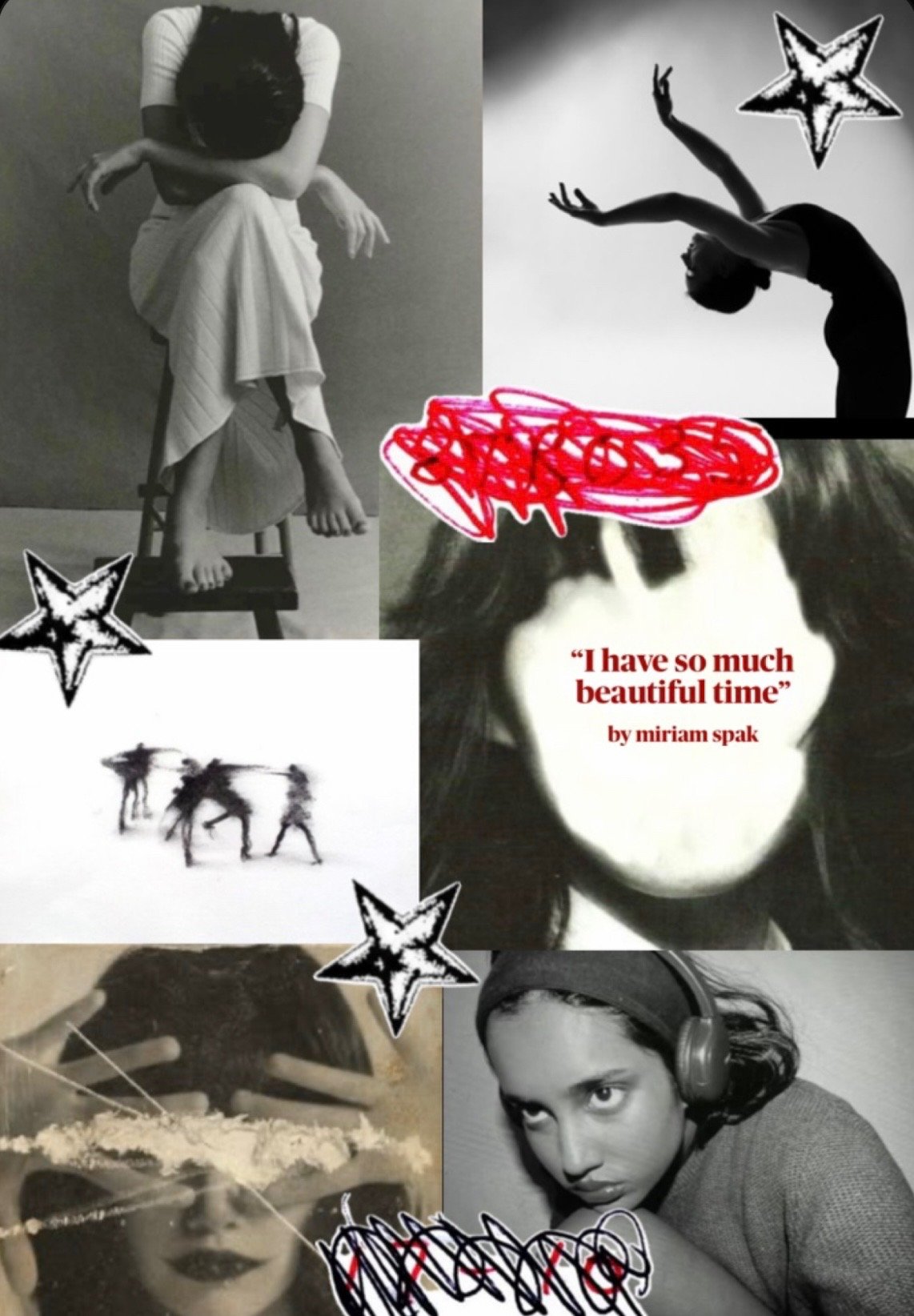
The freedom of college (and a great deal of cognitive behavioral therapy) has allowed me to regulate my nervous system a bit, recognizing the role I played in these interactions while also letting me detach from opinions that I know shouldn’t matter. This semester, I’ve spent so much time in formless sweats that I sometimes forget about my gender until I’m walking on the street at night. But recently, when a guy blew up at me over a poorly executed joke, I was sent back into the same spiral of anger and indignation, and embarrassment. Two years ago, I would probably have screamed back at him and proceeded to spend months telling every person in my life how he had wronged me. Part of me is still tempted. Part of me is still thirteen, wondering if I should just stop talking forever. But instead, I am choosing to listen to Olivia. Here, they are just hours. Instead of stewing, I will walk through Schenley Park, get coffee with an old friend, stare my shame down instead of letting it fester. “The man tells me who he is, and I listen. I have so much beautiful time.”
No Comments.