23 February 2026No Comments

I Want To Be Heartbroken

Heated Rivalry, 10 Things I Hate About You, 27 Dresses and, hell, even Glee. Besides being almost perfect works of media, what do these all have in common? They all show us the ups and downs of relationships. When you think about romance, or consume any form of media dedicated to it, you see the emotional rollercoaster ride that comes from being in a relationship. Most stories end with the couple together, overcoming their difficulties for the sake of their love. They show us heartbreak, but usually also a form of forgiveness. I’ve been told that’s not necessarily realistic – not that I would know. The romance we usually see is either happy, feel-good fluff or explosive drama-filled angst with exaggerated characters and situations, which isn’t representative of realistic relationships with boring days and disappointing endings. 

I love a good rom-com as much as the next person (maybe more, if we’re being honest) and I get overly invested in fictional couples. Maybe it’s my lack of experience when it comes to relationships that makes me so excited when two (very fictional) people get into a (very fictional) relationship and makes me sad when they have a (very fictional) breakup. I live in a time where there's a new romcom every weekend and at an age where my friends are all getting in and out of relationships or situationships or hookup-ships or whatever the ever-growing lists of terms is. 

On one hand, I resent my generation's obsession with love and sex. It feels like all anyone cares about or wants to talk about and it bores me. It just feels shallow and repetitive, as though we should be spending time on other things. On the other hand, I’m a bitter and petty person who is willing to admit I only care because I don’t have much to say. In situations like these, I cling to the same pathetic stories that have been told so many times that they don’t mean anything personal to me beyond being anecdotes I tell for the sake of feeling included. 

Whilst I’ve come to terms with being single for as long as I have, that doesn’t mean I’m not aware of what I’m missing out on. The experience and the feelings of someone loving you and choosing you are something I’ve only ever imagined in my head, over and over. In my head, I’ve been loved but never heartbroken. I’ve never had to experience the kind of pain that everyone talks about being the worst thing they’ve felt. The feeling and experience that has so many songs and movies written about it that everyone knows how much it sucks, even if you’ve never had it personally, like me. The weird part, though, is that it doesn’t make me scared of it or want to avoid it. It makes me want it more. 

Obviously, I’m not saying that I want to be hurt, by no means. The funny part is that I have had my heart broken in other ways (friends, family) but never the classic way – never because of a failed romance. And truthfully, it’s not the same. I feel like there’s an important, pinnacle human experience that I’m missing out on. That I’m listening to my favorite songs or watching my favorite movies from an outsider perspective. I love them and I understand how important they are to people, but to me it’s just another form of entertainment that is almost as unrelatable to me as the serial killer horror movies I watch. 

So I guess all of this is to say that at the root of it, no matter how fucked up it makes me seem, I want to be heartbroken. Because heartbreak – the romantic kind, that is – proves that at some point you were in a relationship with someone who loved you and chose you. Yes, that ended, which could've been a result of something as simple as falling out of love or bad timing or something as painful as cheating. But what matters is that it happened. One day you can look back on the heartbreak and the memories – good and bad – fondly or at the very least as something that helped you grow as a person, a partner and maybe even a friend. 

Each time one of my friends has been heartbroken by their partner, they come out of it for the better. It gives them an opportunity to be better in future relationships and look for something better in future partners. I’ll be starting from scratch pretty much. When I get into my first relationship (though at this point it’s starting to feel more like an if than a when), I’ll be behind everyone else. I won’t have firsthand knowledge or experience for what I want, who I want to be with or how I want to be in the relationship. And, if I’m being honest, that scares me a little.

So the truth is, I wanna be heartbroken. I want to experience the joy and excitement, the love and beauty and fun of being in a relationship with someone I love and who loves me. I want to experience the pain and sadness, the horror and tragedy of being heartbroken. I want to experience the growth and the satisfaction of the aftermath, of being a newer and better person. I want that normal human experience.

Written by Daria Shepelavy

Edited by Ashley O'Doherty and Elisabeth Kay

Graphic by Elisabeth Kay

23 February 2026No Comments

Guess Who

When I asked my mom to describe what I was like as a child, she told me I never cared what people thought of me. I was content to play by myself, but that might have been an adaptation to my environment. The little street I lived on was connected to a highway—if you drove too fast, you would miss it (sometimes the school bus did). There was the lady who never had fewer than seven dogs at a time, my babysitter and her entire extended family, and a bunch of old people who all looked the same. They were great for buying Girl Scout cookies, but not so much for camaraderie. Daycare and entertaining my younger siblings were typically the closest I got to playdates, and my elementary school friends changed every year, depending on who was arbitrarily put in the same homeroom as me.

My memories become a lot more vivid when I get to the 6th grade, but maybe that’s because I never really forget. I remember the two girls I created a comic book series with (one of whom became my best friend the following year), who decided it would be funny to ignore me and see how long I would follow them around, trying to get their attention. In the 7th grade, my best friend and I walked to the dollar store (our favorite place to hang out) to buy supplies for a school project. We were mummifying Barbies. I came to class the next day, and she told me that another girl’s mom had called her mom and told her to switch partners, so her daughter wouldn’t be left out. My teacher didn’t allow groups of three, so I had to stick wet gauze on a doll by myself, while failing to hold in my tears. Looking back, I’m not convinced that phone call ever actually happened. 

Given my somewhat sheltered childhood, it’s no wonder that I never found my place with the kids my age. I could never tell when people were being mean—if they were laughing at me or with me. I seemed to always find myself in trios–that were probably duos I didn’t realize I wasn’t included in– or being best friends with a girl with a big personality whose shadow I always let myself be forced into. This girl was always the “funny friend”, the “social friend”, or the “mom friend”, but what kind of friend was I? Was I the charity case? Was I the pity friend? I might've been the weird friend, but by the end of high school, I definitely became the quiet friend; the one who, in a class of the same 60 kids since Kindergarten, they could never quite get rid of. My little sister tells me that she was always jealous of my high school friend group, but she didn’t know how I felt—caught between the guilt of having everything I thought I wanted, but wondering why it didn’t feel like enough. 

In college, I threw myself into academics because I was determined to “make it out” of my small town; to prove it to myself or to others that I could… I’m not really sure. It shouldn't have mattered what they thought, knowing I would never see any of them again. I will never show my face at a high school reunion because I've outgrown them all and have no one to go with. It's a bit weird to suddenly have so much control over your life after years of making choices to appease others. I still find myself uncertain of what role I should take on in friendships, because the greater part of my life has felt like a performance. Who am I when I try to break these patterns of submission? Where is that little girl who was unapologetically herself? Can I still find her after all that I know now?

I crave guidance and direction, and maybe a small part of me craves someone to tell me who I'm supposed to be. I kept thinking I would have it all figured out when I reached this loose definition of “older”, but I woke up at 22 feeling more lost than ever. This year has been a time of picking up the pieces of all the phases and changes I’ve gone through, and deciding what parts of myself I want to take with me into the next stage of my life. There are so many sides of myself I have yet to explore, and childhood interests I’ve reclaimed that bring me closer to the girl I once was so ashamed of—I hope I will have more compassion for myself this time around.

Written by Renee Arlotti

Edited by Lauren Deaton and Giulia Mauro

Graphic by Andie Shultz

23 February 2026No Comments

Hunger

Growing up, I was never the smallest kid. I was born a bulky baby, so I never quite shook it. My childhood spent swimming only served to further widen my shoulders and thicken my thighs. Weekly church potlucks led to plates piled high with sugary treats. The absence of sweets in my house, due to my dad’s diabetes, led to binging at my friend’s houses; gorging myself on food until my fingers were sticky and my stomach was churning. It felt like I just couldn’t get enough, like the food was filling some kind of void inside of me, even as it made me feel sick. 

Then, when I was 12, the doctor said, “You need to lose weight soon, you’re obese.” The words were like a gut punch to my stomach, a firm acknowledgement that something was wrong, that I was wrong. It was a firm statement confirming that the way my pants stretched around my waist, and I was forced to yank them to the button, was horrible, disgusting. I remember staring at my clothes in my closet, pinching the fat around my stomach, standing numbly in the shower. At swim meets, I would look down at my stomach, at the way my bathing suit cut into my back and rounded my belly. I would glance across the diving blocks to the others beside me at the starting line, measuring myself up to them. 

In middle school, when I started running cross country, the weight dropped off fast; my waist rapidly slimmed down, my pants dropped in size, the talk of obesity ceased. Running also meant that I could eat more, that I was hungrier, because oftentimes I was putting in upwards of 35 miles a week. I found a kind of freedom in it, that I could eat without abandon, without the shadowy weight of a heavier self. 

I got faster, I made varsity, I felt celebrated, but the weight didn’t stay off. This time, it came back in a mixture of muscle and fat, and I started to notice something– girls glaring at me at the start lines of races, looking into my face with surprise as I passed them, shocked that a stockier girl, with her spandex tight against her skin, could possibly outrun them. There was a kind of joy in this for me, a revelation in the fact that I could be bigger and still good, still be athletic, that perhaps this was simply the way my body was meant to be. Then there was the pain underneath it. The feeling that I still wasn’t doing something right, that I wasn’t a real runner, that I might have the endurance, and even a bit of the speed, but there was still something wrong, like I had to prove myself more because I looked different.

Now in high school, I was also struggling with intense reactions to food and extreme panic attacks. My stomach constantly ached, I was frequently crippled by cramps so intense that I couldn’t leave my bed, and in my junior year I missed school almost once a week for a doctor’s appointment. I dreaded eating anything, fear creeping over me about what kind of attack my body would launch against the food. The shape of my body constantly fluctuated, moving between intense bloating and feeling utterly drained. My anxiety rose too, often having to excuse myself from class to cry in the bathroom, heaving sighs and feeling bile rise in my throat as I tried to catch my breath. I would break down before races, insisting that I couldn’t do it, spending long bouts of time stuck in the bathroom before races, feeling so utterly sick that I thought I would hurl on the girl next to me.

Eventually, I had to stop running. A combination of chronic illness diagnosis and a continued pattern of injury leading to my breaking point. I felt weak, lost, like the thing that had given me some kind of agency and claim over my body was being pulled out from under me. My relationship with food changed, increasingly limited out of necessity, as my body stimulated allergic reactions to various foods. It was a new kind of gross feeling, one that I felt I couldn’t stop, couldn’t run away from, couldn’t exist without, my body literally rebelling against me.

And it’s something I still carry around years later. Even after discovering which foods specifically cause reactions, even after finding a new exercise routine, a way to eat and exercise and still exist as a human who eats both vegetables and ice cream. Sometimes, when I look in the mirror, I still feel that slippage, a desire to scrape the fat from my body. Sometimes, when I look around at the bar I still feel out of place, the tautness of my shirt, or the roll of my stomach over my jeans making me feel embarrassed. Sometimes, I still feel like that scared little girl, being told she was obese before she even had a chance to form any kind of image of herself.

Written by Lauren Deaton

Edited by Daria Shepelavy and Giulia Mauro

Graphic by Nina Southern

23 February 2026No Comments

The College Experience, According to Instagram

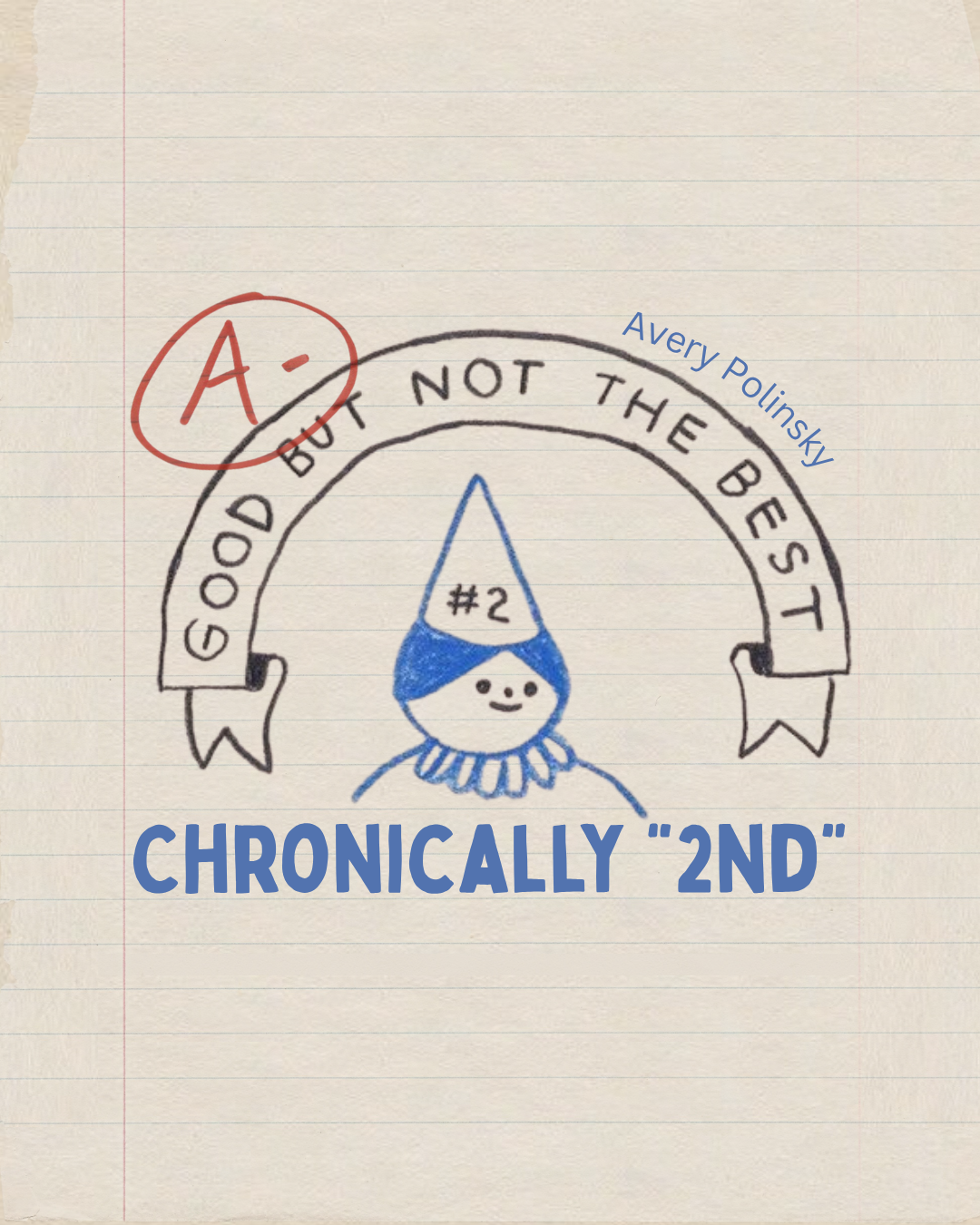
Every day I open Instagram, and I am reminded of what I am not—or rather, who I tell myself I should be. My feed is like a mirror that only reflects versions of people living the life I quietly collect on my Pinterest board titled “college.” It’s a strange kind of feeling, the kind that doesn’t come from wanting physical things, but from longing to be included. To be chosen. To be surrounded. To be wanted. To feel like I cleanly fit into the college life I envisioned for myself. 

Groups that stretch and fill the entire frame. Effortless digital camera pictures. “Day in the Life” posts filled with endless friends and side quests. I stare at them for way too long, wondering what it must feel like to live the ideal “college experience.” The candid nights out with  blurry laughs, half-closed eyes, and the perfect imperfection of being caught mid-laugh. They feel intimate and effortless, like happiness is just spontaneous for everyone else. I scroll past faces that seem to belong anywhere, clothes that fit just right, and confidence so bold you can feel it through the screen. It's the kind of beauty that looks unintentional, but clearly isn’t. 

Everyone says college is where you find your people. In all honesty, I have never felt so alone, and I have never been so aware of myself—how I look, how I speak, how I’m perceived. The fresh start and freedom college promises somehow turned into constant self-surveillance. Every interaction feels like it’s being quietly graded, and every silence feels personal. 

I catch myself spiraling into questions that I never used to ask. Why can’t I find friends? Am I not pretty enough? Am I not fun enough? Why didn’t they invite me? Do I take up too much space—or not enough? It’s exhausting how easily confidence fades when comparison becomes unavoidable, when worth is tied to invites, friendgroups, and social media. 

And yet, I know this is only a fragment of reality, curated and cropped. I know that friendships exist outside of the frame, that loneliness can appear aesthetic, and that smiling faces can turn sour behind the scenes. Still, knowing these facts does not stop the feeling. It doesn’t quiet the small voice that asks why it seems so easy for everyone else, and wonders what I'm doing wrong that prevents me from living this life. I’m trying to hold onto the truth that being unseen doesn’t mean I lack something—it just means the right people haven’t found me yet, and that my worth doesn’t disappear just because no one is there to post it. 

So I close the app, carrying the longing and the hope with me. Because maybe deeply wanting this means I’m capable of it, even if it hasn’t found me yet. Maybe the life I dream of doesn’t look like a post, and the friends I desire actually desire me too.

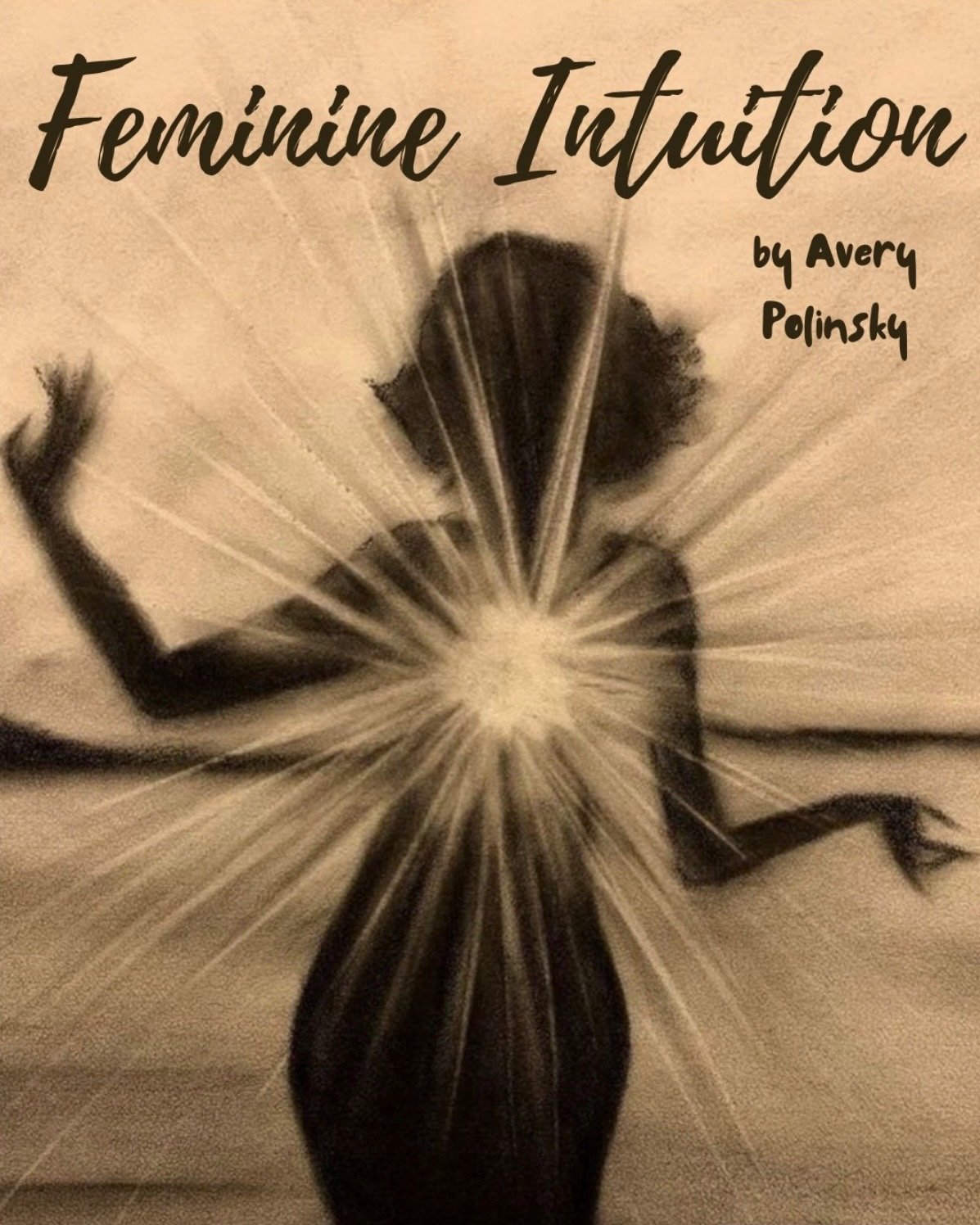
Written by Avery Polinsky

Edited by Kate Madden and Elisabeth Kay

Graphic by Sydney Williams

22 February 2026No Comments

Renee Arlotti: The Wallflower’s Dilemma

To approach or to be approached? 

I’m no stranger to unintentional self-sabotaging, but I think one of my most detrimental habits is being a “wallflower.” I specifically put myself in situations to be social, but would feel out of place amidst so much conversation happening without me that I would resort to going on my phone to look busy. Then afterwards I would feel defeated and wonder why no one talked to me. 

There’s a lot of implicit assumptions we make, but one of the ones I made is that people will approach me simply because I’m there. And then when they didn’t, I wondered if it’s because I was having a bad hair day, or my outfit was ugly, or maybe I’m not pretty enough. But who actually makes friends based on appearances? 

I kept expecting that things would happen the way they do at the beginning of college—you jump straight from strangers to friends, skipping the stage of being acquaintances. But as an adult, this becomes increasingly less realistic. You need acquaintances to make friends. You need to talk to people so they remember who you are. 

It quickly became second-nature for me to sit in the background, silently judging everyone. I thought that I wouldn’t fit in with them, so it was an unconscious defense mechanism to rule them out before giving them a chance—to feel dejected on my own terms. I started having thoughts like “this person looks so cool, they would never wanna be my friend,” even without realizing I was assuming the other person was as shallow as I was proving myself to be. 

Somewhere along the way, I forgot what kind of person I want to be. I know that I love talking, and making friends, and giving compliments. So how did I become this? What’s stopping me from being the person that I look up to? It sounds silly to say that I’m shy, because that feels like something that only kids are allowed to be—something you’re supposed to grow out of. 

If you’ve ever been considered a ‘quiet person’ before, you’ve probably also had people assume that you’re mean. I don’t know who came up with this, but it’s not like I can be mad because my assumptions about others weren’t much better. When you don’t know someone, it’s easy to use the information that you have to fill in the blanks. So what if you only see them across a classroom or on social media? I’m sure you still think something about them. We can’t help it. 

Sometimes judgments are automatic, and we don’t even realize. We just have this gut feeling when we see them, some call it intuition, and maybe sometimes we’re right. But also what if we’re wrong? 

We can’t stop ourselves from forming heuristics, but we can stop ourselves from letting them influence our behavior. In my case, I shouldn’t let my assumptions about people deter me from approaching them.

A couple weeks ago, I went to a club meeting after going back and forth about whether I had the energy to leave my apartment. When I got there, everyone was talking amongst themselves and the girl sitting next to me also wasn’t talking to anyone, so I turned to her and, without even taking one deciding glance at her first, said, “Everyone else is talking and I feel awkward,” and that’s all it took. It was that easy. She laughed like I was making a joke (I wasn’t) and then we talked the rest of the meeting. 

When you don’t feel the greatest about yourself, and you’re living in the same world as the rest of us, it’s easy to think the worst of others. But what if you gave everyone the benefit of the doubt? 

It felt weirdly self-deprecating to view myself as a shy person, like I don’t have the confidence or courage to hold my own in a conversation, so I decided to stop seeing myself that way. When I see myself as an equal with the people I admire, it makes me admire myself. 

Sure, I can’t magically change my entire personality and become an extrovert, and there will be days when I’m tired and my social battery has run out and I feel like keeping to myself, but reframing my mindset has opened so many doors for me.

16 February 2026No Comments

I Have So Much Beautiful Time

In middle school, I had a very intense slam poetry phase. I was obsessed with one poet in particular, Olivia Gatwood. I was so convinced that her carefully inflected, earnest meditations on girlhood had been written about my life– never mind that most of them tackled sex and relationships, and I was a late bloomer who didn’t even have a serious crush until junior year of high school. I wrote quotes of hers in my diary, listened to performances about period sex out loud around my Catholic parents, wrote her one very enthusiastic email, and paid ten dollars to attend a live stream she hosted that benefited a mutual aid organization—all during seventh grade. If this makes you think I was a deeply insufferable thirteen-year-old, you’d be correct. 

When I got to high school, I traded Button Poetry performances for Lana Del Rey and found ways to repackage how I expressed my love-hate relationship with being a teenage girl. But now that my prefrontal cortex is a touch more developed, I have more respect for both my angsty preteen self, who found an outlet during a turbulent period of life, and for the wisdom permeating Olivia’s poetry. Her poem “Alternate Universe in Which I Am Unfazed By Men Who Do Not Love Me” is one of her most popular and my personal favorite. She imagines a world in which she trades the time she would have spent ruminating about men for life-affirming alternatives. 

“but left over from the other universe are hours and hours of waiting for him to kiss me and here, they are just hours. here, they are a bike ride across long island in june. here, they are a novel read in one sitting. here, they are arguments about god or a full night’s sleep. here, i hand an hour to the woman crying outside of the bar. i leave one on my best friend’s porch, send my mother two in the mail.” 

I still love these lines. It feels like I’ve let other people’s opinions dictate my entire life, especially men’s. For a while, I fell into a kind of half-joking misandry, but it came from a place of deep insecurity and hurt: starting with elementary school bullies, then a boy telling me he wanted to douse me in gasoline and light me on fire when I was in sixth grade, and then the humiliation that comes with having an adult’s body and a young girl’s mind. It was eye rolls when I spoke coupled with not-so-subtle glances at my chest, whispered comments in classrooms and at debate tournaments, my male high school guidance counselor icily telling me I was nothing and would never be anything. I’d spend all my energy seething with anger or sobbing into my pillow, wondering what was so wrong with me that all guys seemed to hate me. 

The freedom of college (and a great deal of cognitive behavioral therapy) has allowed me to regulate my nervous system a bit, recognizing the role I played in these interactions while also letting me detach from opinions that I know shouldn’t matter. This semester, I’ve spent so much time in formless sweats that I sometimes forget about my gender until I’m walking on the street at night. But recently, when a guy blew up at me over a poorly executed joke, I was sent back into the same spiral of anger and indignation, and embarrassment. Two years ago, I would probably have screamed back at him and proceeded to spend months telling every person in my life how he had wronged me. Part of me is still tempted. Part of me is still thirteen, wondering if I should just stop talking forever. But instead, I am choosing to listen to Olivia. Here, they are just hours. Instead of stewing, I will walk through Schenley Park, get coffee with an old friend, stare my shame down instead of letting it fester. “The man tells me who he is, and I listen. I have so much beautiful time.”

Written by Miriam Spak

Edited by Renee Arlotti and Giulia Mauro

Graphic by Lauren Deaton

16 February 2026No Comments

The Club Scene

As I watched Heated Rivalry for the third time, I spammed my cursor on the ‘forward 10 seconds’ button until I got to the moment where Shane and Ilya scan the crowded club for one another. Minutes later Shane stands, unmoving, ten feet from Ilya as his hockey rival grazes his hands along a strange woman. Shane wishes he was her. Ilya stares back with a taunting but telling gaze. The moment is a beautiful and intense demonstration of what the men had been feeling for each other those past few months – obsession and lust with no outlet. In a room where they can not express their true feelings, a lot can be confessed through a look. I mentally bookmarked this as The Club Scene. It was the first time I had put a name to the trope, but not the first time I had seen it. In all its forms and variations, The Club Scene is a breathtaking and emotional conveyance of characters’ internal turmoil. 

Each iteration presents a different message. In Frances Ha, Greta Gerwig explains “that thing when you’re with someone…but it’s a party…and you’re both talking to other people…and you look across the room and catch each other’s eyes.” Secret shared stolen glances transcend typical interaction. Gerwig clarifies that it isn’t sexual or possessive, but rather an unnoticed instant of kinship. Most of the time, The Club Scene does not occur in an actual club. In Overcompensating, Benny and Carmen have their unspoken across-the-room moment at a college party. Their interaction is a vulnerable one, filled with apologetic understandings on both ends. In Challengers, Tashi dances at an outdoor Adidas-sponsored party as the camera pulls in on the nearby infatuated Art and Patrick. This moment is more lighthearted – two foolish boys standing in awe of a beautiful Zendaya, destined for a love triangle from the start. 

The Club Scene scene is not about dialogue. It’s about body language, meaningful looks, and, most importantly, music. The scene will later be remembered for the song playing alongside it. I, for one, can’t hear “Love My Way” by the Psychedelic Furs without thinking of Armie Hammer goofily dancing and Timothee Chalamet moving his chest in circles. The Heated Rivalry scene that started it all will forever own “All The Things She Said” by t.A.T.u. Music is more than just a backdrop to The Club Scene. Just last year, “Party 4 U” by Charli xcx went viral online five years after its initial release. Much like The Great Gatsby, Charli depicts what it feels like to throw an extravagant party in the hopes that one person in particular shows up. This too is The Club Scene. Unrequited love in its truest form, as the person being pined after isn’t even present. 

In the last month since naming The Club Scene, I started to see it everywhere. I see it in recently released straight-to-streaming movies and decade old television shows. I see it used to express lust, jealousy, heartbreak, and intrigue. Despite its prevalence, it is not overplayed. The moment never feels like a cop-out for deep storytelling. It elicits butterflies in the happiest tellings and a sinking feeling in the saddest. I will forever be a sucker for The Club Scene which is lucky because I know I will see it time and time again. 

Written by Clare Vogel

Edited by Mia Stack and Elisabeth Kay

Graphic by Hannah Russell

16 February 2026No Comments

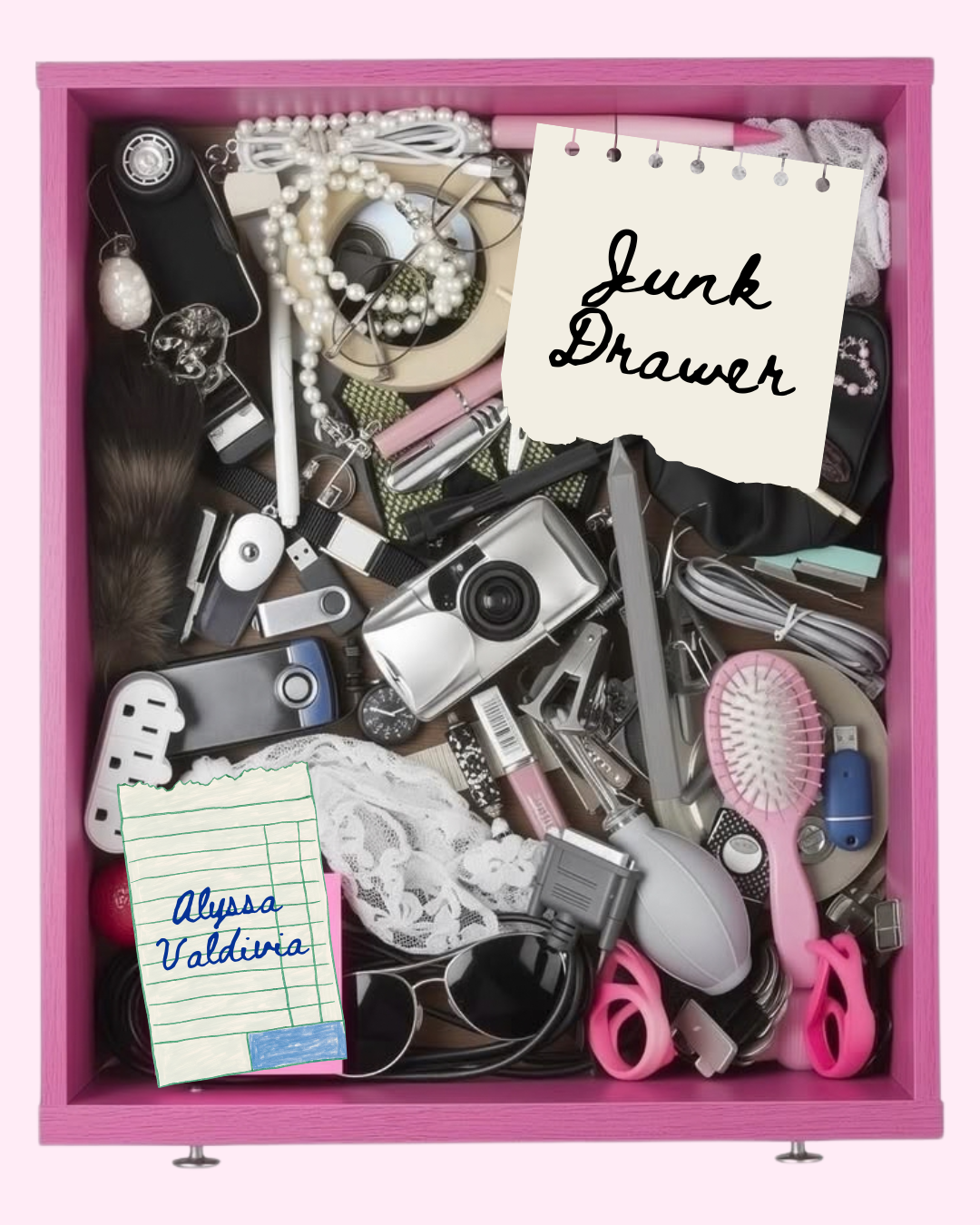
A Miracle Measured in Cocoa

When I was nine, I got food poisoning after eating my mother’s attempt at a chicken parmesan over spaghetti. It was a gruesome sight. Little me, bent over the toilet seat retching chunks of undercooked chicken and bright-red Marinara sauce. My older brother, laughing his ass off somewhere downstairs, relishing in my momentary misery. My Obsessive Compulsive Disorder sister, biting off her fingers while simultaneously having a panic attack under the white sheets of her comforter, probably convincing herself that she was going to get terminal cancer from the cross-contaminated food. 

When Gwynedd Square Elementary School had its annual bake sale, I volunteered to make homemade brownies. Translation: I volunteered for my dad to bake brownies. Fate had other plans because that was the week he got the flu from the Pearsons’ kid from next door. Snotty Ollie–as we named him–must have used his hands as tissues before handing the bag of Chocolatey Caramel Crunch Popcorn to my dad. “I’m never buying from those damn boy scouts ever again,” I remember him saying as he shook his clammy head. I didn't feel bad for him, though, because his incapacitation meant the brownie-making responsibility fell into my mother’s inexperienced hands. Even box mix wouldn’t prevent the disaster that would occur seven hours later in the kitchen. I didn’t even know brownie batter could splatter, yet it apparently can. 

When my mother complimented my Aunt Marites on the Mac and Cheese that she had brought for family Thanksgiving in 2018, she offhandedly mentioned that it was a new online recipe, and my mother simply had to try to make it. Although nothing tragic occurred from this cooking attempt, there was something about it that was just…off. To my perfectionist mother, the cheese was a little too stringy, the noodles a degree too overcooked, and the paprika a shade too heavy. 

It’s probably inferable at this point, but without a doubt, it is known that Peggy Valdivia can’t cook or bake for shit. As a workaholic accountant, she has no need to learn the intricacies of how to use the oven properly or what the difference is between a teaspoon and a tablespoon. Her entire life is surrounded by numbers–not sugar and flour. My dad is our family’s designated cook. He majored in Food Science at Penn State University and knows how to make pretty much anything. From tacos to Adobo (a Filipino chicken dish that is to die for), he’s got it down. Therefore, everyone has simply accepted my mom’s cursed cooking. 

Just like we know the sky is blue or that the grass is green, we know that Peggy is most certainly not a chef. 

I don’t know if it was a glitch in the system or an aberration of sorts, but it is also known that my mother is the only person who can make the most delicious, fluffy, and rich chocolate cake to ever exist. How that is possible, you might ask? Well, my family has spent twenty-three years trying to figure that out and have come up with no viable answer other than it must be magic. 

The recipe was handed down to my mother in ‘02 from Grandma Saldutti. She was my half-siblings’ dad’s mother (confusing, I know) with a delicate voice that never wavered. Starting with a list of ingredients and their measurements at the top, it came written in her handwriting that she claimed was “cursive” but really was just messy. Towards the middle and bottom of the page were step-by-step instructions on how to craft the glorious cake. The lined paper, I imagine, used to be white, yet with years of vanilla extract spillings and batter splatterings, the once crisp sheet has turned brown with age but stained with love. 

The cake itself is cooked in a giant donut-shaped cake pan and is topped with the most mouth-watering cream cheese frosting you’ll ever eat. Every year, me and my siblings beg my mom to "accidentally" make extra frosting, so we can lick the leftovers before she washes the bowl. She adds the same festive red and green crystallized sugar jimmies that she uses every year. I’m not sure why, but those sprinkles–devoid of taste–somehow make the cake taste better. 

Usually, the cake is only made once–maybe twice–a year. Always for Thanksgiving and potentially for someone’s birthday, but only if she has enough time to make it with her busy job schedule. You might have to bribe her with a neck message or five to get that hard-earned yes, but boy it is worth it. Despite my mom’s usual record with making food, the chocolate cake is a delicacy in the Valdivia family. It’s the one time Peggy can produce not only edible but spectacular food. 

When I graduated high school, my mom made the cake for my graduation party. I still remember the faces of my friends as they dug into their slice. I’m excited for the day that the recipe is passed down to me, but also terrified. I know it won’t taste the same. Thankfully, I have years before that happens. Until then, every single person in our family will squeeze as much of the chocolate cake from my mother as possible, secretly dreading the day the job will fall into my inexperienced hands.

Written by Alyssa Valdivia

Edited by Mylieni Huynh and Elisabeth Kay

Graphic by Kate Madden

15 February 2026No Comments

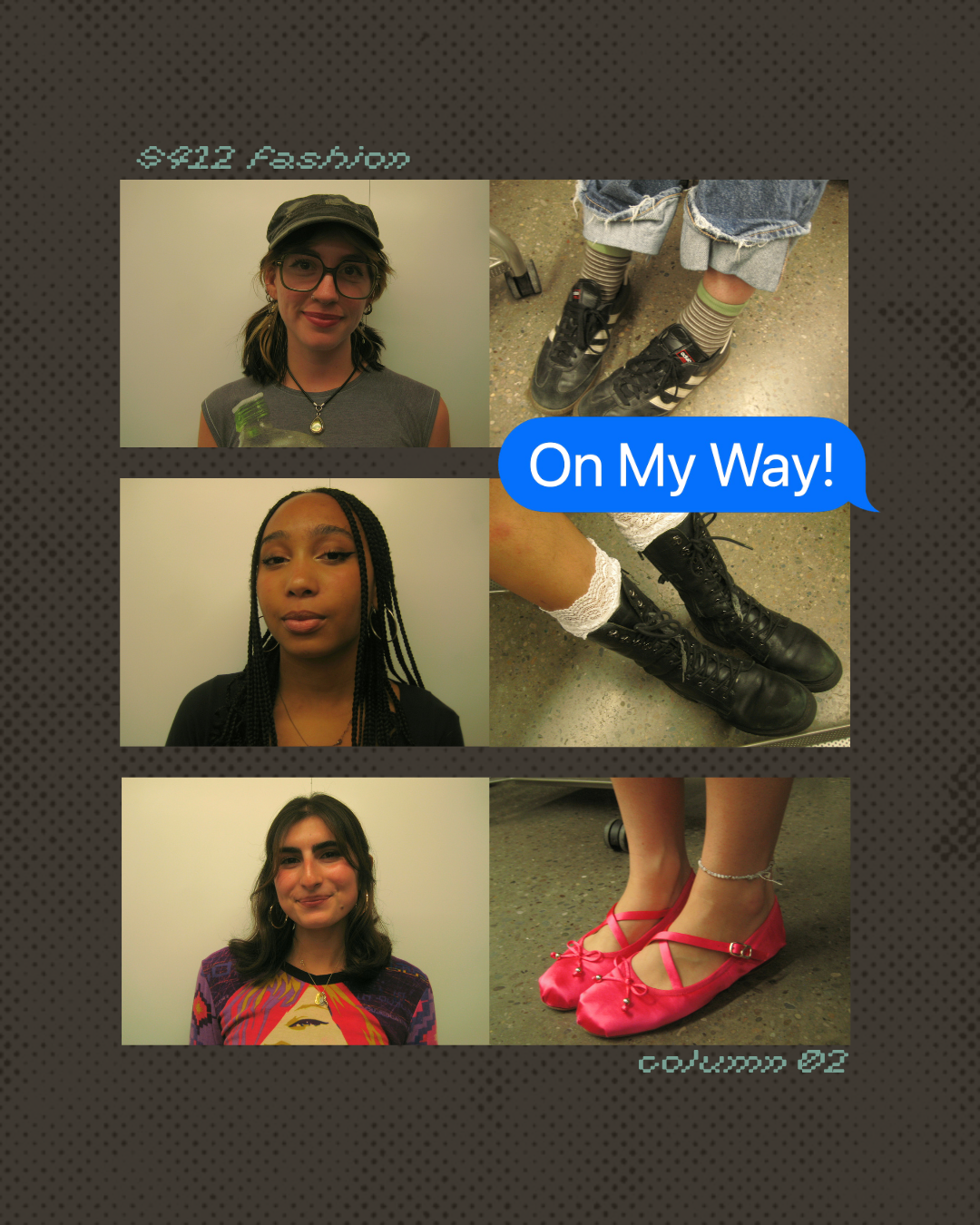
Nina Southern: Your Shoes Say a lot About You

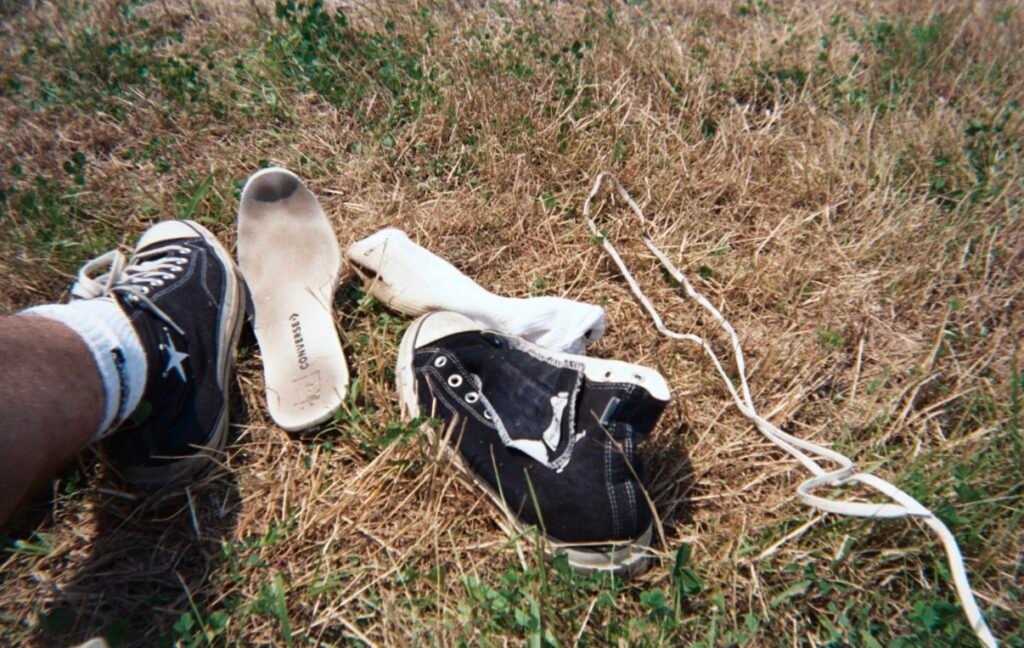
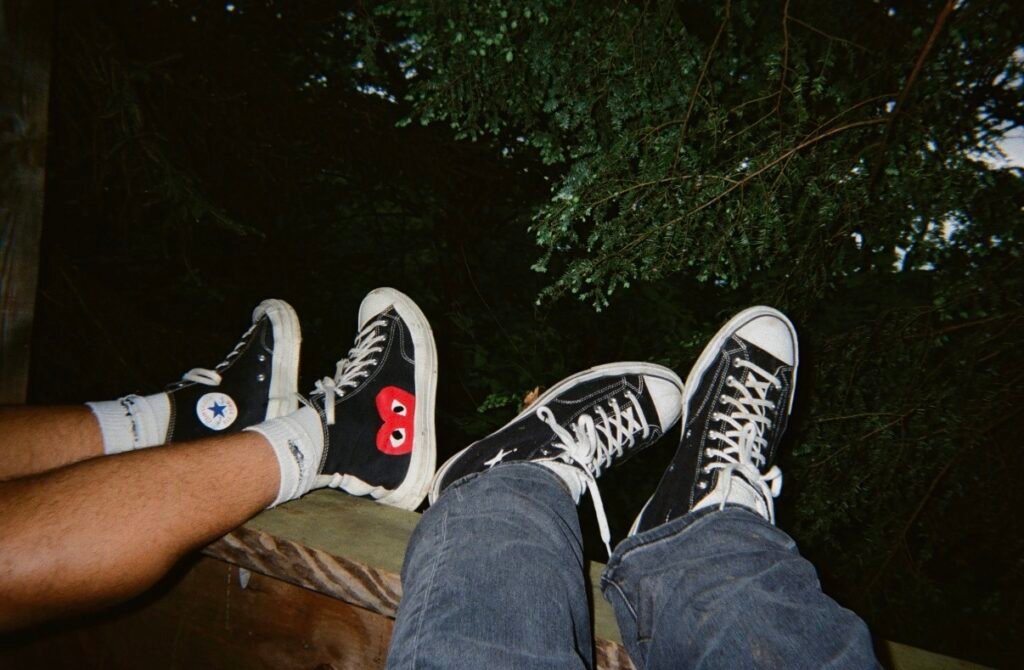
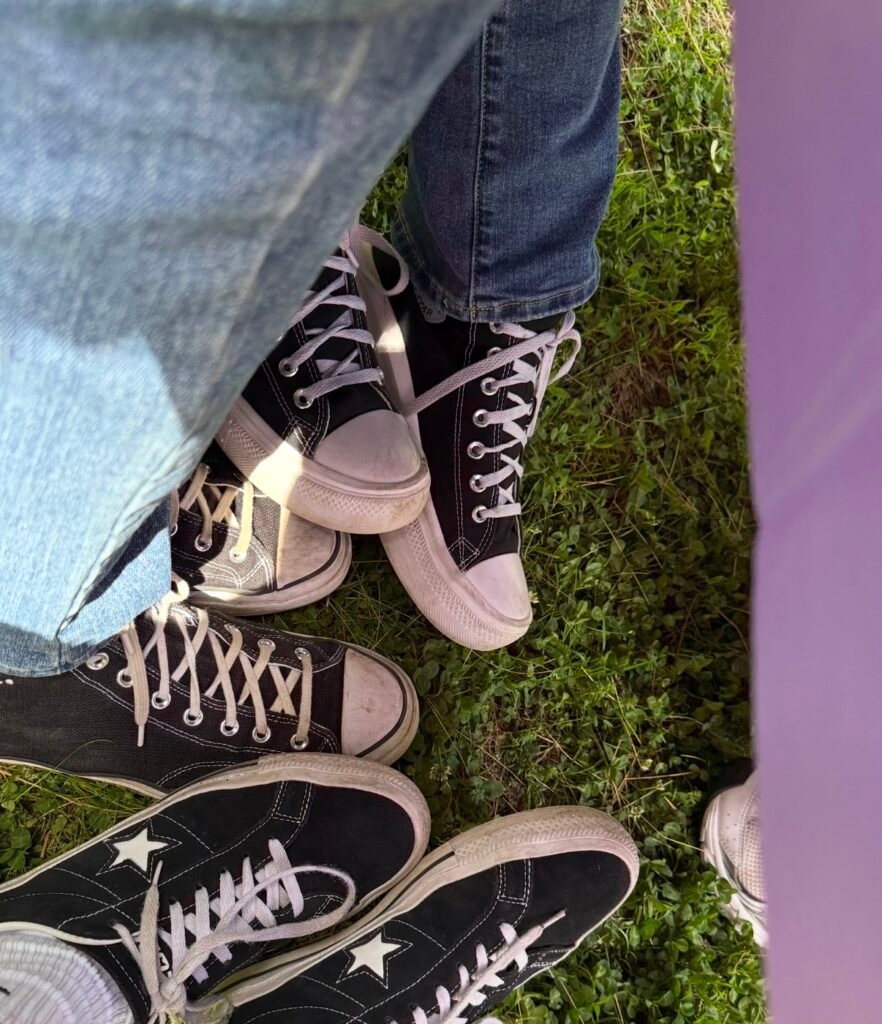
Your go-to shoe says more about you than your zodiac sign. And before all of you astrological fanatics come after me, please hear me out. Shoes offer a glimpse into your personality, whether you’re the type who prefers comfort over aesthetic or even classic styles over trends. Unlike zodiac signs that stay the same your whole life, your go-to shoe can change from year to year, not tying you down to one trait or quirk. Eventually, you have to retire shoes as they wear down or as your feet grow. And while you can buy the same pair, you have the opportunity to mix things up, and I don’t think you can say the same about your sign.

I recently switched up my go-to shoe. Last winter, I would die for my New Balance 327s that I bought while visiting my friends studying abroad in London. They saved me from blisters and sore soles that would’ve ruined my trip. (For whatever reason, I only packed boots for London, and I’m as equally confused as you are.) I’ve always loved wearing New Balance shoes because of the “N” on the side. When I was younger, my dad told me the “N” stood for Nina, my name, and from there, they became my go-to shoe.

But this winter, I looked at my New Balances at the bottom of my closet and thought to myself, these don’t fit my personality anymore. I wanted a shoe that was still me, but a little mysterious. A shoe that suggests I could be passionate like a fire sign or grounded like an earth sign. A shoe that represents a girl who has a never-ending TBR, a soft spot for craft nights, or even a collection of refrigerator magnets. I desired a pair that could match both my feminine and masculine sides.

After endless scrolling on Pinterest and TikTok, I decided the 1461 Bex Smooth Leather Oxford Shoes by Dr. Martens were the perfect fit. I’ve been wearing them to work, to class, on nights out, and to the library. They match every nook and cranny of my personality–at least, for my current personality.

9 February 2026No Comments

Switch

My heart is racing and my mind is spinning. My eyes dart around to grasp the objects near me, and I eventually shake my head to connect the pieces and disorient my thoughts. I can’t stand too close to someone because I’m afraid my mind will convince me to hit them, or say something heinous. Not because I want to, in fact I’m terrified that I will. My therapist told me that having thoughts this strong, makes me the least likely person in the room to do what they’re saying. I see the logic, but in those moments it doesn’t always feel that way. 

Regardless, I’m relieved to leave the situation. I walk along Forbes to get home. The lights and traffic match the energy of my mind, but sometimes I wish my walk could be quiet the way it was last year before I moved. The walk was long but I kind of liked that. Crossing the boulevard is a common indicator that the walk to campus is too long, but seeing the buildings downtown was peaceful to me. They are so far away but their size and shape are familiar, especially when the sun is setting behind them. When there were no cars waiting at the stoplights, I would stand in the middle of the road and examine them. I could feel the breeze and the air smelled familiar. 

I do like Forbes, I love being so close to campus and other restaurants and stores. CVS is a two minute walk off of Coltart, where there is a mini mart two more minutes away from there. No one seems to know about it, I’ve only been inside once but it was very enticing. Though there is a giant wall of vapes behind the desk that the cashier will try to convince you to buy no matter your age. The whole place is basically a hole in the wall, maybe that makes it less inviting than it seems. 

Sometimes when it is really late at night, or should I say where the night meets the morning, I walk home and stand at the end of the street. I look down Forbes where there are no cars to be found. It’s quiet and still. My eyes glaze over and the soft smile fades from my face. My mind is exerting a soft buzz and I don’t feel as cold anymore the more my body relaxes. I don’t think this is a normal relaxing stare, yet I’m thankful for it. It feels like a break.

Dissociation is your brain trying to protect you. It shuts down when your nervous system is overwhelmed, and I honestly think it’s a pretty cool response. It can either happen against your will or you can welcome it in times of need, which for me, is fairly often. 

But unfortunately people do notice, I am either on or I’m off. I’m checked in or I’m simply not there at all. If you were to ask me what I was wearing yesterday, I would not be able to tell you. I have trouble focusing in class and retaining information. I feel guilty not being able to remember a single thing I learned in classes I took in previous semesters, and not because it was a long time ago, but because there was nothing to remember at all. You could hand me the syllabus and it wouldn’t ring any bells. 

This semester has been better but in an odd way. I am actually enjoying my classes and I’ve started being more intentional about participation. I’ve been applying to grad schools, I’m doing well on the Speech Team and I started painting again. I found old paintings that I shoved under my bed years ago because I thought they were bad. She painted so many faces because she was good at it. Practice was still art to the untrained eye - even a rusty one.

I can see my past more clearly now. The younger versions of myself feel closer, I’m succeeding and have direction in my life. Younger me would be so happy to see herself now. She would think I’m really cool, artsy and almost a little too far out there. But that’s what makes her cool. Her face is interesting and she looks like she knows who she is.

But despite feeling more connected to myself, I still have those moments where I shut off. Yet, I’ve been more happy about it than usual. I get home after a long day, turn my soft lighting on and lay in my bed. My blankets and pillows are warm and inviting. My room smells sweet and refreshing for no particular reason, and it makes me happy that it’s a natural result of my living space. I go upstairs and sit in the living room with my roommates. I see my plants that I love; I started putting baby spider plants in empty diced tomatoes and Dr. Pepper cans. The flowers are growing a bit slowly, I’m not sure how long they will take to sprout up higher and bloom.

I’m able to lay on the couch and stare into space. My phone gets overstimulating and at some point I just get tired of looking at it, something that hasn’t really happened before. The room is still and my roommates are calm. My heart doesn't start racing when someone walks in, and there has yet to be any conflict. I’m able to turn off and stare. 

I have a boyfriend who is actually calm and consistent, and after five months I’ve finally started to truly relax. Alarms that never needed to go off in my head have quieted down, and I’ve started accepting the support he wants to give me. My mind and body will shut off around him too, especially when we’re in my room. I’m able to lay there and let myself detach. He just holds me. 

“You’re so loving,” I tell him. A formation of soft confusion and persistence coexists on his face. “Because I love you,” he says. 

I must’ve forgotten how simple love is meant to be.

Life has turned good again, and it’s odd to look at where I was last year. I felt trapped in the situation I was in, and I would’ve never thought I would be where I am today– let alone be able to choose my own future. There is joy in feeling secure again, but the farther away I am from that time, the more clearly I can see what actually happened. How many “what actually happened” moments I’ve already had…the event I convinced myself didn’t even happen at all, suddenly can’t be denied anymore. I want it to be number two but the number is three - I’m still processing one and two I am not ready for three, three simply does not exist. Three is not real and you don’t get to tell me that it is. And that’s when the dam will break. All the things my mind has tried to protect me from gushes out into a giant flood. The world feels like it’s grabbing me by my clothes and forces me to look at things dissociation helps me look away from. I panic thinking I’ve done something wrong and that I’m destroying other people's lives for feeling this much. Nightmares flare up again and I wear extra compressing clothes and layers to feel safe and calm. The first wave of anxiety hits, until the wave of raw hurt comes next. 

No more anxiety, no more dissociation– pure hopelessness. Crushed by the weight of continuous traumatic experiences, my bright future suddenly fading from view. I walk into my room to smell and feel good things again, but it’s empty and silent - number three really did happen. The walls are white. The carpet is brown. The blanket is red. My thoughts aren’t racing anymore. All the pieces are right in front of me, and there’s nothing to do about it except look at them.

I finally cry. 

I feel my body pushing me towards moving forward; moving on. It doesn’t force, it gently opens the door and waits for me to take the opportunity.

And fortunately, I am able to do so. I will feel relatively disabled for a few days when this happens but it doesn’t last forever. I become terrified that I am hurting others with my spiral, pulling away because I feel irritable and sad. When I go to apologize, I’m shocked when they tell me they didn’t even notice– I’m walking on eggshells for no reality driven reason. One barely noticeable shift in my mood isn’t going to ruin someone’s whole life, and I don’t realize that until someone points it out. Instead, they point out positive traits about me instead of using every minor change in my mood as proof of moral failure.

The people in my life now then say the most shocking yet grounding thing that I’ve finally accepted that they mean. 

“I know who you really are, Mia.”

Written by Mia Stack

Edited by Ella Romano and Elisabeth Kay

Graphic by Sydney Williams